Customize this Wheel of fortune to your taste and unleash the excitement !
Random Spinner Wheel
Are you looking for an exciting and fair way to make decisions, select winners, or add an element of chance to your events? Look no further than Spindrop, the all purpose random spinner wheel that’s perfect for all your needs!
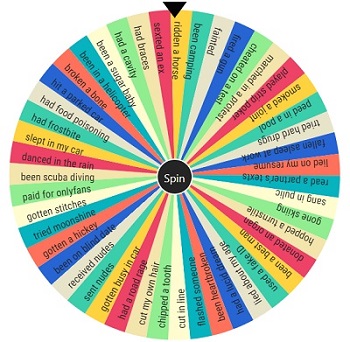
What is Spindrop?
Spindrop is a customizable, easy-to-use digital spinner wheel that can serve as a:
- Prize wheel
- Giveaway wheel
- Raffle wheel
- Name picker
- Decision-making tool
- And much more!
With its sleek design and user-friendly interface, Spindrop brings the thrill of chance to your fingertips, whether you’re hosting an event, running a contest, or simply need help making a choice.
How It Works
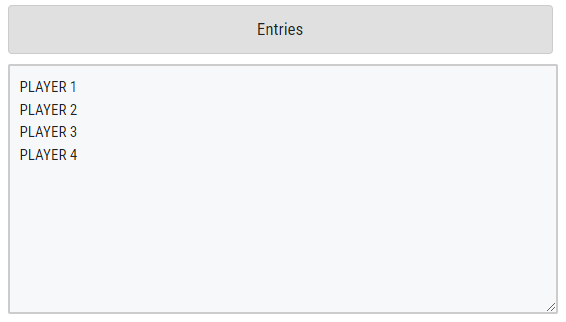
Customize Your Wheel: From the entries tab, enter your options, names, or prizes into the wheel segments. You can add as many as you need!
Spin the Wheel: Click the “Spin” button to set the wheel in motion.
Get Your Result: Watch as the wheel slows down and lands on your randomly selected winner or choice.
Features
Fully Customizable: this spinner wheel is fully customizable, you can tailor the wheel to your exact needs with.
Mobile-Friendly: feel free to use Spindrop on any device, from desktop to smartphone.
Fair and Random: Our advanced algorithm ensures completely random results every time.
Use Cases
Prize Wheel
Boost engagement at your next event by letting attendees spin for prizes. Perfect for trade shows, fundraisers, and corporate events.
Giveaway Wheel
Run exciting social media giveaways or contest drawings with our visually appealing wheel. Watch your engagement soar!
Raffle Wheel
Modernize your raffle drawings with our digital raffle wheel. No more paper tickets or manual selection needed.
Name Picker
Teachers and team leaders love our name picker function for fairly selecting students or team members for tasks or rewards.
Frequently Asked Questions
Is Spindrop really random?
Yes! We use a cryptographically secure random number generator to ensure fair and truly random results every time.
Is spindrop free?
Yes – the random wheel spinner is totally free to use and will always remain so. All of the features are accessible at no additional cost.
How many names/options can I add to the wheel?
Our wheel accommodates up to 500 entries.
Can I use Spindrop for live events?
Definitely! Spindrop is perfect for live events. You can display it on large screens
What can the wheel of fortune be used for?
Whether you’re having a hard time deciding what to eat for lunch? Our restaurant wheel is here to help
Can’t decide on what color to pick? There’s the color picker wheel for that.
Or do you just need to pick a random number , the random number generator is there for you.
The use cases of this spinner wheel is infinite, and if you cannot find a wheel you need in our wheel library, you can always send a message to a member of our team.
How to share this wheel of fortune?
When the spinner wheel stops, you can share it by clicking the share button. You can share it across all social media platforms on facebook, X(twitter), pinterest and others.
Ready to Spin?
Join thousands of satisfied users who have made Spindrop their go-to tool for adding excitement and fairness to their decision-making processes. Whether you need a prize wheel, giveaway wheel, raffle wheel, or name picker, Spindrop has got you covered.
Spin your way to fun and unlimited excitement with Spindrop – where every turn is a new opportunity!
Spindrop is also available in other languages
German 🇩🇪 – Glücksrad | Italian 🇮🇹 – Ruota Della Fortuna | Spanish 🇪🇸 – Ruleta Aleatoria | French 🇫🇷 – Roue De La Chance | Portuguese 🇵🇹 – Roleta da Sorte | Dutch 🇳🇱 – Rad Van Fortuin
Featured Wheels